

How to Work Effectively in a Dev Team – Unlocking Collaboration for Success
Embarking on the journey to how to work effectively in a dev team is essential for delivering successful projects, fostering innovation, and creating a positive work environment. Effective teamwork in a development environment goes far beyond just writing code; it encompasses communication, collaboration, shared goals, and a culture that supports continuous learning. This comprehensive guide delves into the core principles, strategies, tools, and best practices to empower your dev team to operate at their highest potential.
Foundational Principles of Effective DevOps Team Collaboration

Building a high-performing dev team starts with establishing core principles that serve as the bedrock of collaboration. Primarily, fostering a mindset based on trust and openness ensures every team member feels valued and motivated to contribute. When team members trust one another, they are more willing to share ideas, address issues honestly, and seek help when needed—creating an environment where transparency thrives, and collaboration becomes effortless.
Another fundamental principle is aligning the team towards a shared vision and common objectives. Clear, well-defined goals help eliminate ambiguity and ensure everyone understands their role in the larger picture. This alignment cultivates a sense of purpose and accountability, which are critical for sustaining momentum and overcoming inevitable challenges. When these foundational principles are ingrained in team culture, the path to effective collaboration becomes much more navigable and resilient to obstacles.
Key Strategies for Enhancing Communication and Transparency
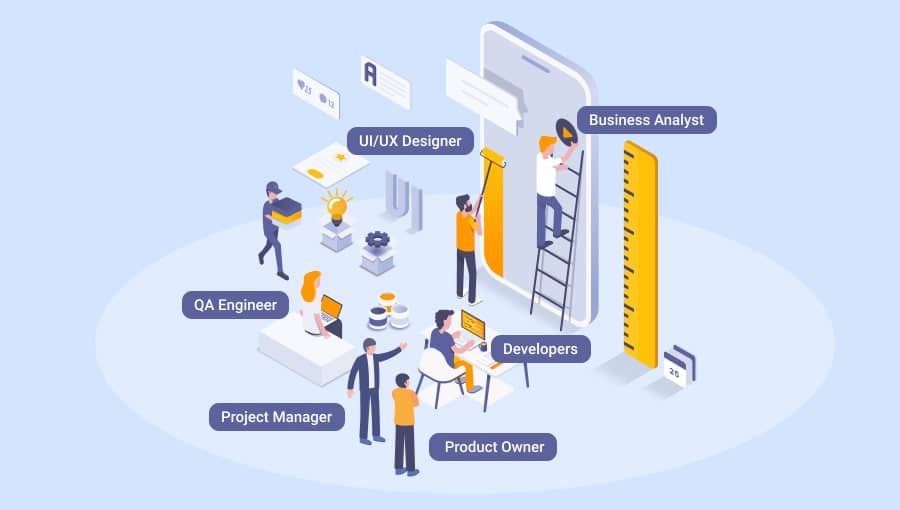
Effective communication is the heartbeat of any successful dev team. Regular, structured touchpoints—such as stand-up meetings, retrospectives, and planning sessions—keep everyone aligned, enable quick problem-solving, and foster a sense of accountability. However, real transparency extends beyond scheduled meetings; it demands a culture where information is openly shared, and feedback flows freely across all levels. This openness leads to quicker identification of bottlenecks, enhanced trust, and a collective sense of ownership over the project.
In addition to formal channels, leveraging asynchronous communication tools—such as Slack, Teams, or collaborative platforms like Confluence—can bridge gaps caused by different work schedules or remote setups. These tools allow team members to access pertinent information at their convenience, ensuring everyone remains informed and engaged. Prioritizing clear, honest, and respectful dialogue ultimately creates a cohesive environment where challenges are swiftly addressed, and innovation blossoms through diverse perspectives.
Establishing Clear Roles and Responsibilities for Optimal Workflow

Ambiguity in roles often breeds confusion, delays, and frustration within a development team. Therefore, how to work effectively in a dev team involves meticulously defining roles—such as developers, testers, product owners, Scrum Masters, and DevOps engineers—and clarifying responsibilities for each. When every member understands their specific duties and how they interconnect with others, workflows become more streamlined, errors decrease, and accountability is strengthened.
Furthermore, embracing role flexibility can boost team agility, especially during crunch times or when tackling multifaceted problems. Cross-functional collaboration allows team members to gain deeper insights into different aspects of the development lifecycle, fostering empathy and a more cohesive approach. Clear role delineation, combined with a culture of shared responsibility, paves the way for a more organized, efficient, and motivated team that consistently meets or exceeds goals.
Leveraging Tools and Methodologies for Efficient Development Processes
In today’s fast-paced development landscape, leveraging the right tools and methodologies is vital for maximizing efficiency. Agile frameworks—such as Scrum or Kanban—provide structured processes to manage work dynamically, adapt to changing requirements, and deliver value incrementally. Coupling these methodologies with project management tools like Jira, Trello, or Azure DevOps helps visualize work, track progress, and identify bottlenecks proactively.
Technology empowers teams to automate mundane tasks, enhance code quality, and improve deployment pipelines. Continuous Integration/Continuous Deployment (CI/CD) pipelines, automated testing, and configuration management tools like Jenkins, GitLab CI, or Terraform are crucial for maintaining high velocity without sacrificing quality. When teams invest in well-integrated tools and adopt agile practices, they foster a development process that’s both disciplined and adaptable—essential components of how to work effectively in a dev team.
Cultivating a Culture of Continuous Improvement and Feedback
Creating a culture that embraces continuous improvement transforms a team from merely functional to exceptional. Encouraging regular retrospectives and feedback sessions helps identify areas for growth, celebrate successes, and address challenges openly. When team members view feedback as an opportunity for development rather than criticism, they become more receptive and engaged in the process.
Moreover, fostering a learning mindset overall promotes innovation and resilience. Supporting professional growth through training, mentoring, and experimentation enables teams to stay current with emerging trends and technologies. This culture of ongoing learning ensures teams remain adaptable and proactive, transforming how to work effectively in a dev team into an ongoing journey of progress and excellence.
Best Practices for Conflict Resolution and Team Cohesion
Conflicts are inevitable, but their resolution can deliver valuable lessons and strengthen team cohesion when handled effectively. Promoting transparent communication and active listening helps prevent misunderstandings from escalating. When conflicts do arise, addressing them directly and constructively—focusing on issues rather than personalities—ensures resolution aligns with shared goals rather than personal grievances.
Building strong relationships and fostering mutual respect are fundamental to maintaining team cohesion. Celebrating diverse perspectives, recognizing individual contributions, and creating a safe environment for open debate help cultivate a resilient team dynamic. Investing in team-building activities and promoting empathy further solidify bonds, making how to work effectively in a dev team not just about technical skills but also about nurturing interpersonal trust and collaboration.
Conclusion
Mastering how to work effectively in a dev team involves more than just technical expertise; it necessitates cultivating foundational principles of trust, fostering transparent communication, defining clear roles, leveraging the right tools and methodologies, and nurturing a culture of continuous improvement. Combining these elements creates an environment where team members are motivated, aligned, and capable of delivering exceptional results. By prioritizing collaboration and personal growth, dev teams can overcome challenges, innovate relentlessly, and achieve sustainable success with agility and cohesion.
🚀 Preparing for tech interviews?
Boost your skills with IT Interview Prep — practice real questions, track your progress, and get ready to ace your next interview!
👉 Download now on Google Play





-
Tagged flutter, mobile-dev, react-native