

How to Plan Your Long Term Coding Journey – A Strategic Guide to Success
Embarking on a long-term coding journey can feel both exciting and overwhelming. The key to transforming your aspirations into tangible skills and a rewarding career lies in strategic planning — understanding how to map out your progression, choosing the right technologies, and ensuring consistent growth. If you’re asking yourself how to plan your long term coding journey, this comprehensive guide will walk you through the essential steps, helping you create a clear, flexible, and achievable path to mastery in software development.
Setting Achievable Long-Term Coding Goals: A Strategic Approach

Establishing attainable, yet ambitious, long-term goals is foundational to your success as a coder. Start by reflecting on your passions — whether web development, data science, AI, or mobile app development — and set specific targets. For example, rather than a vague goal like “become a programmer,” aim for concrete objectives such as “build a full-stack web application within the next year” or “contribute to open-source projects regularly.” These goals should be SMART: Specific, Measurable, Achievable, Relevant, and Time-bound.
Moreover, think about your motivation and how each milestone aligns with your broader aspirations. Break down your long-term vision into smaller, manageable tasks, which will help maintain your momentum. Regularly revisit and adjust your goals as you grow, ensuring they remain challenging yet realistic. Recognizing that your journey is built step-by-step makes it less intimidating and more sustainable—this is the essence of how to plan your long-term coding journey effectively.
Choosing the Right Coding Languages and Technologies for Your Future
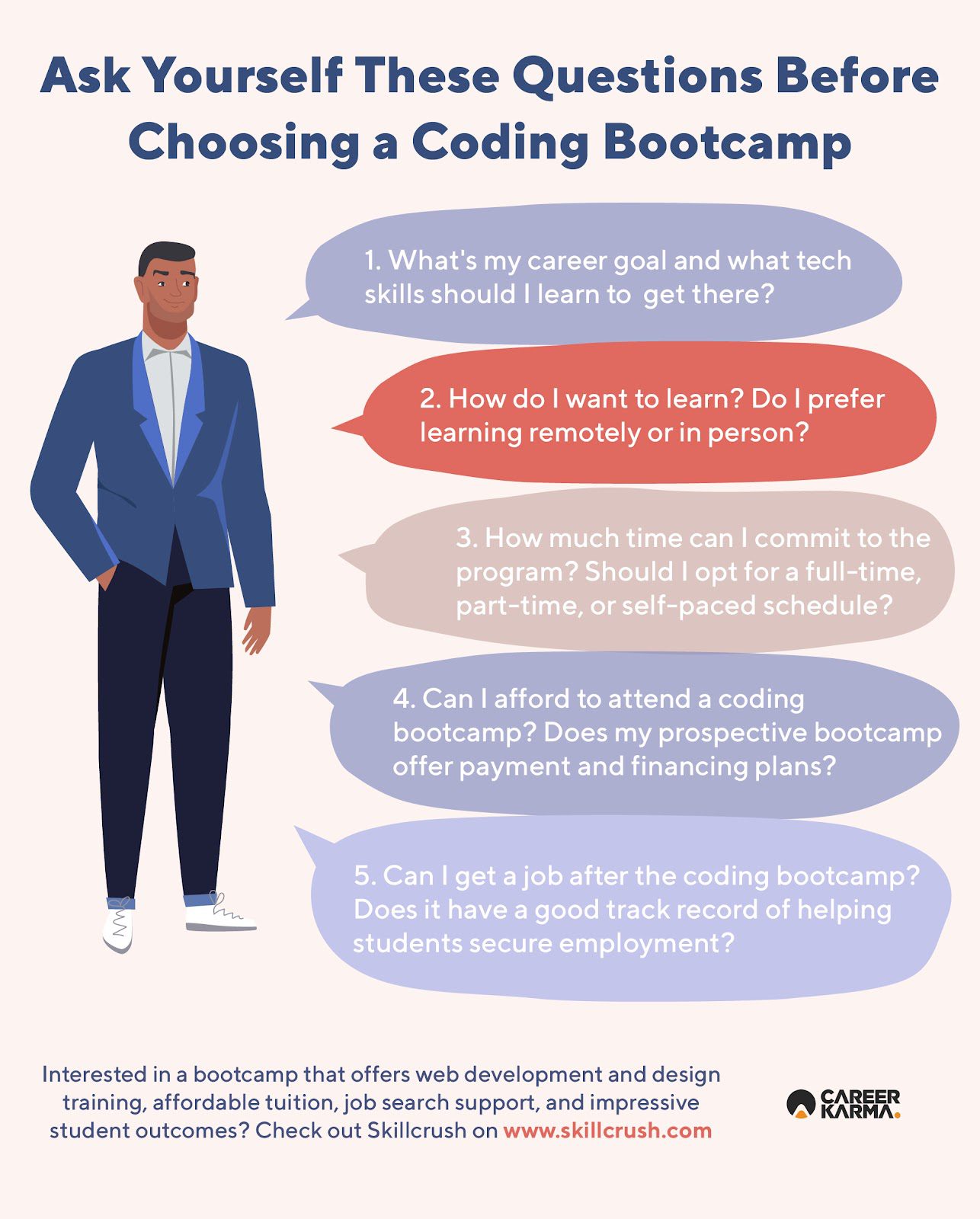
Selecting the appropriate programming languages and tech stacks is critical for aligning your skills with your aspirations. Instead of trying to learn everything at once, focus on specialization based on your interests. For instance, if you’re passionate about web development, prioritize learning HTML, CSS, JavaScript, and frameworks like React or Angular. For a future in data analytics, Python and R are indispensable, complemented by tools like SQL and machine learning libraries.
As technology evolves rapidly, it’s not just about current trends but also considering the longevity and industry demand of your chosen skills. Keep an ear to the ground by following industry news, job market trends, and community discussions. Being strategic about the languages and technologies you pursue ensures you’re investing time in skills that will remain relevant and impactful in the long term — this forms the backbone of a thoughtful long-term plan.
Building a Comprehensive Learning Roadmap: From Beginner to Expert

Creating a detailed, step-by-step learning roadmap transforms your ambitions into actionable steps. Start with foundational concepts: understanding programming fundamentals, problem-solving, and basic algorithms. Then, progressively tackle more complex subjects such as software architecture, databases, and APIs. Incorporate diverse learning resources: online courses, coding bootcamps, books, and practical projects—variety sustains engagement.
As you advance, it’s vital to challenge yourself with real-world projects, collaboration, and peer review. Mapping out timelines, milestones, and checkpoints helps you visualize your growth. Remember, mastery in coding spans not just knowledge acquisition but also practical expertise; the best long-term planning involves balancing theoretical learning with consistent application. This approach ensures that when questions about how to plan your long-term coding journey come up, you have a clear, actionable blueprint guiding your progression from novice to seasoned developer.
The Importance of Portfolio Development and Practical Application
Developing a robust portfolio acts as both a personal milestone and a professional asset. To grow effectively, dedicate time to building projects that showcase your skills — from simple websites to complex applications. Practical application is the fastest way to deepen understanding, resolve real-world issues, and solidify your technical knowledge.
Furthermore, a well-curated portfolio screams professionalism to potential employers or clients. It highlights your problem-solving abilities, coding style, and versatility. Regularly updating your portfolio with new projects, open-source contributions, or freelance work reflects ongoing growth and demonstrates your commitment. The emphasis on practical experience ultimately shapes your long-term success and satisfies the question how to plan your long-term coding journey — by ensuring each step is backed by tangible accomplishments.
Networking and Community Engagement: Accelerating Your Coding Growth
Engaging with coding communities accelerates learning, provides valuable feedback, and broadens your perspective. Online forums, local meetups, open-source collaborations, and social platforms like GitHub and Stack Overflow offer opportunities to connect, share knowledge, and seek mentorship. Building a network fuels motivation and keeps you inspired as you navigate challenges that inevitably arise.
Beyond social benefits, community involvement exposes you to different approaches, industry standards, and emerging trends. Participating actively — by contributing to open-source projects, giving talks, or mentoring others — fosters a culture of continuous learning. This strategic engagement directly influences your long-term coding journey by opening doors to collaborations and opportunities, creating a support system that goes beyond solitary practice and keeps you motivated through shared experiences.
Staying Motivated and Adapting to Evolving Technology Landscapes
Long-term planning must account for motivation and adaptability. Technologies evolve, job markets shift, and personal circumstances change. To sustain long-term growth, cultivate intrinsic motivation by celebrating milestones, diversifying your learning methods, and connecting your work to meaningful projects. Establish routines that include regular reflection, skill assessments, and celebration of achievements to keep your enthusiasm alive.
Moreover, develop resilience by embracing change — learning new languages, tools, or paradigms as needed. Flexibility ensures that your roadmap remains relevant, and you can pivot when market demands shift. The ability to adapt without losing sight of your overarching goals is essential for how to plan your long-term coding journey successfully. Remember, being a lifelong learner is vital; it transforms your journey into a dynamic adventure rather than a static task, empowering you to thrive amidst technological upheavals.
Conclusion
Planning your long-term coding journey requires a strategic blend of goal setting, thoughtful technology selection, structured learning, practical project work, community involvement, and resilience. By establishing clear, achievable milestones and continuously adapting to new challenges and trends, you’ll be better equipped to navigate the rapidly evolving landscape of technology. With a well-crafted plan, dedication, and a growth-oriented mindset, you turn your aspirations into a sustainable, fulfilling career, making the question how to plan your long-term coding journey not just a query but a pathway to mastery and success.
🚀 Preparing for tech interviews?
Boost your skills with IT Interview Prep — practice real questions, track your progress, and get ready to ace your next interview!
👉 Download now on Google Play





-
Tagged flutter, mobile-dev, react-native