
Where to Start Learning Programming – Your Ultimate Beginner’s Roadmap to Coding Success
Embarking on the journey of learning programming can be as exciting as it is overwhelming. With countless resources, languages, and tools available, newcomers often wonder – where to start learning programming? This question is the first hurdle that many aspiring developers face. The truth is, starting smartly and with clarity can make the entire process far more manageable and enjoyable. In this comprehensive guide, we will uncover the essential steps, strategies, and insights to help you lay a solid foundation and turn your programming dreams into reality.
Demystifying Programming: A Beginner’s Roadmap
Understanding what programming really entails is crucial before diving into code. Programming is essentially the art of giving computers precise instructions to perform tasks, solve problems, or process data. For beginners, the key lies in demystifying the concept—realizing that programming is not just about complex syntax or brain-breaking logic. Instead, it’s a skill that develops through practice, patience, and continuous learning.
A practical approach begins with clarity about your goals—whether you want to build websites, develop mobile apps, automate tasks, or analyze data. These goals can influence your starting point. For example, someone interested in creating websites might begin with HTML, CSS, and JavaScript, while a person fascinated by data science might focus on Python and data analysis libraries. Recognizing your interests will help you choose the right starting point and stay motivated. Remember, programming is a toolset that opens many doors, and demystifying its core concepts makes the journey less intimidating and more accessible.
Choosing Your First Programming Language – A Practical Guide
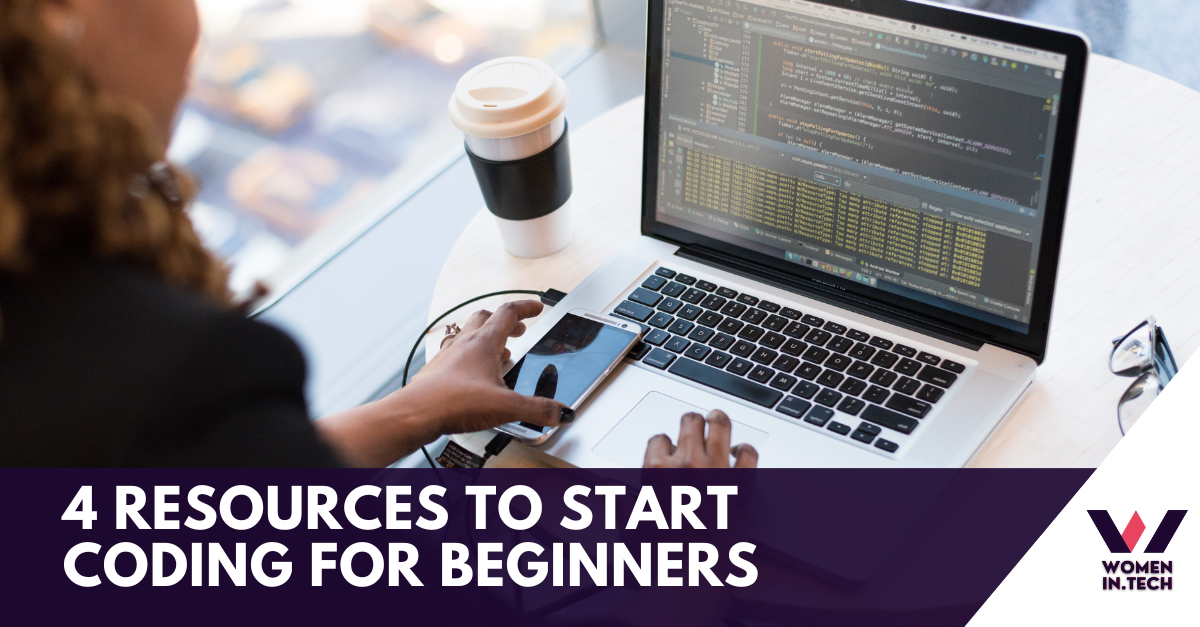
Picking the right language is one of the most pivotal decisions for beginners. The landscape of programming languages can feel extensive, but your choice should align with your goals, interests, and the types of projects you envision. Popular beginner-friendly languages like Python, JavaScript, and Ruby stand out because of their readable syntax, generous learning communities, and practical applications.
For most newcomers, Python is an excellent starting point due to its simplicity and versatility—it’s used in web development, automation, data science, and AI. Conversely, if your goal is web development, grabbing hold of JavaScript early on can be rewarding, as it forms the backbone of interactive websites. For those interested in app development, Java and Swift are strong options, but they are often better suited after grasping foundational programming principles. It’s worth noting that the choice isn’t exclusive—many programmers learn multiple languages over time. What’s essential is to pick one, dive in, and commit to mastering it before branching out.
Essential Tools and Resources for Aspiring Programmers
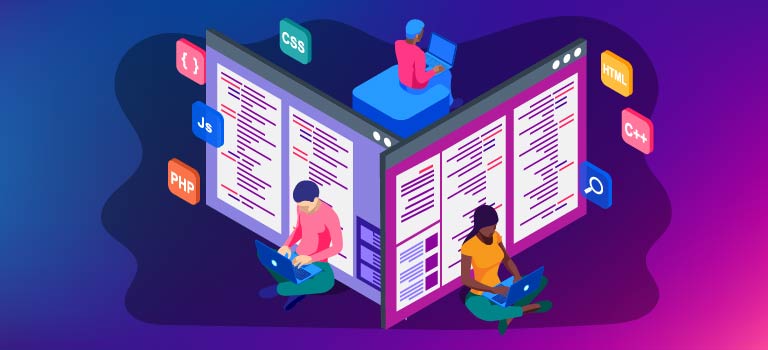
Getting started with programming isn’t just about choosing a language; it also involves assembling the right toolkit. An integrated development environment (IDE) or code editor is your workspace—popular options include Visual Studio Code, PyCharm, or Sublime Text. These tools streamline coding with features like syntax highlighting, debugging, and code suggestions that boost efficiency.
Beyond software, the abundance of online platforms and resources accelerates learning. Websites like Codecademy, freeCodeCamp, and Khan Academy provide interactive tutorials suitable for beginners. Books such as “Automate the Boring Stuff with Python” or “Eloquent JavaScript” delve deeper into concepts and practical projects. Forums like Stack Overflow and Reddit’s programming communities can help troubleshoot issues and connect with peers. Building your library of resources and practicing regularly will foster confidence and sustain motivation along your programming journey.
Establishing a Solid Foundation – Fundamental Programming Concepts
Mastering core concepts is the bedrock of becoming a proficient programmer. Concepts such as variables, data types, control structures (if statements, loops), functions, and object-oriented principles are common across many languages. Investing time in understanding these fundamentals allows you to write efficient, clean, and scalable code—regardless of the language you choose.
Personally, I believe that grasping these basics early on creates a mindset of problem-solving and logical thinking. For beginners, it’s helpful to work through small exercises and projects that reinforce these principles. For example, creating simple calculators, data validation scripts, or interactive quizzes can solidify your understanding. As you grow more comfortable, tackling larger projects becomes more manageable because your foundation is firm—making programming feel less like an abstract art and more like an achievable craft.
Hands-on Practice – Building Projects and Solving Problems
There’s no substitute for practical experience when learning programming. Building projects allows you to apply what you’ve learned, uncover gaps in your understanding, and develop a portfolio that showcases your skills. Start with small, manageable tasks like creating a personal website, a to-do list app, or automating repetitive tasks. These projects not only build confidence but also make learning more meaningful.
Additionally, practicing problem-solving with coding challenges on websites like LeetCode, HackerRank, or Codewars sharpens your logical thinking and algorithmic skills. The key to progress is consistency—spending dedicated time each day or week coding, debugging, and iterating. Remember, every bug or error is an opportunity to learn. Over time, as you develop a habit of hands-on practice, complex projects and new languages will become much less daunting.
Navigating the Learning Curve – Strategies for Motivation and Persistence
Learning programming is a marathon, not a sprint. It’s common to face frustration when encountering bugs, confusing syntax, or steep learning curves. To sustain motivation, it’s important to set achievable milestones and celebrate small wins along the way. Break your learning journey into manageable chunks—mastering variables, then control structures, then functions, and so on.
Personally, I’ve found that surrounding myself with a community of learners helps maintain enthusiasm. Participating in coding bootcamps, joining online communities, or finding a coding buddy provides accountability, encouragement, and collaborative problem-solving. Developing good learning habits, such as regular practice, taking breaks, and approaching complex topics with patience, ensures steady progress. Remember, persistence conquers all—every programmer has faced challenges, but perseverance turns obstacles into opportunities for growth.
Conclusion
Starting to learn programming is an exciting pursuit filled with endless possibilities. By demystifying its core concepts, choosing the right language aligned with your goals, assembling essential tools, building a strong foundation, engaging in consistent hands-on practice, and cultivating resilience, you set yourself up for success. The journey might be challenging at times, but with curiosity, dedication, and strategic effort, mastering programming becomes an achievable and rewarding goal. Remember, everyone starts somewhere—your code adventure begins today.
🚀 Preparing for tech interviews?
Boost your skills with IT Interview Prep — practice real questions, track your progress, and get ready to ace your next interview!
👉 Download now on Google Play





-
Tagged flutter, mobile-dev, react-native