

What to Learn After 3 Years of Coding – Navigating Your Next Steps Toward Mastery and Success
Embarking on a tech career often begins with a fascination for building something new and a desire to solve complex problems. After dedicating three years to coding, many developers find themselves at a pivotal point — questioning what to learn after 3 years of coding to further refine their expertise, broaden their horizons, and increase their value in the industry. This period is crucial for assessing progress, identifying gaps, and setting new ambitious goals that move beyond the basics. The journey from being a competent programmer to a seasoned professional involves strategic choices, continuous learning, and embracing opportunities for growth across diverse technological landscapes.
Knowing what to learn after 3 years of coding can be a game-changer. Whether you’re considering deepening your core skills, exploring new domains, or scaling your career ladder, this phase demands intentionality and foresight. In this comprehensive guide, we explore how to chart a compelling pathway forward that not only elevates your technical prowess but also aligns with your personal interests and professional ambitions. From mastering advanced concepts to venturing into emerging tech, let’s chart a course that ensures your skills remain relevant, your goals are attainable, and your passion for coding is sustained over a long-lasting, fulfilling career.
Beyond the Fundamentals: Charting Your Course After 3 Years of Coding

After three years immersed in coding, many developers reach a point where pigeonholing themselves into basic knowledge limits their potential. This is the time to move beyond fundamental syntax, algorithms, and basic project implementation, and instead focus on developing a nuanced understanding of system design, architecture, and optimization. Deepening your grasp of core concepts allows you to construct scalable, reliable, and maintainable applications that stand out in a competitive landscape. Cultivating skills in debugging complex issues, contributing to open-source projects, or participating in code reviews can serve as practical avenues to refine your craft.
This phase is also when proactive engagement with real-world challenges becomes essential. Transitioning from learning to implementing large-scale solutions involves understanding distributed systems, database optimization, concurrency, and security considerations. As you progress, focus on adopting best practices in software engineering: writing clean code, practicing DevOps, and understanding the full stack—choices that bring tremendous value to your projects and your professional reputation. Ultimately, the goal is to master the intricacies beneath the surface of code and unlock the potential to lead, innovate, or even start your own tech initiative.
Specialization vs. Generalization: Choosing the Right Path for Your Coding Career
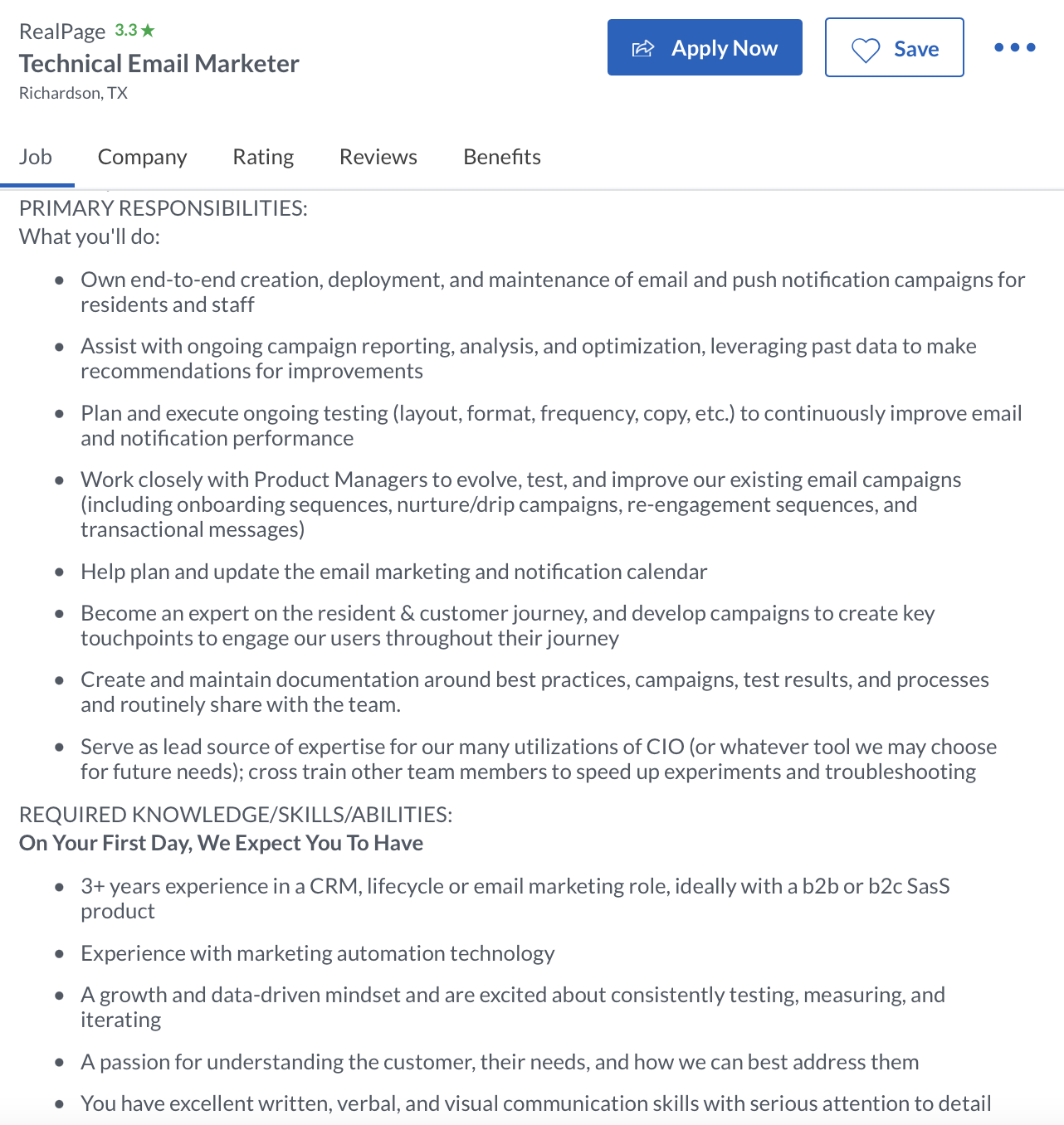
One of the most defining decisions after three years of coding is whether to specialize deeply in a particular field or to maintain a broad, generalized skill set. Specialization often entails becoming an expert in a niche—such as machine learning, cybersecurity, or mobile development—where deep expertise can command higher salaries and position you as a go-to authority. On the other hand, generalists develop versatile skills, enabling them to adapt rapidly across multiple domains, which can be valuable in startup environments or roles requiring cross-functional knowledge.
The choice hinges upon your personal interests, market demand, and long-term career aspirations. For example, if you find yourself passionate about AI, then diving into advanced neural network techniques and experimental frameworks might be ideal. Conversely, if you prefer working on diverse projects, cultivating proficiency in multiple stacks—frontend, backend, DevOps, etc.—can keep you adaptable and resilient. Exploring hybrid approaches, such as becoming a T-shaped developer, provides deep expertise in one area while maintaining enough breadth to collaborate across disciplines effectively. This strategic decision shapes your professional identity and influences future opportunities, so reflect thoroughly on where your passions and market trends intersect.
Deepening Your Knowledge: Essential Concepts and Advanced Techniques to Master

After three years of coding, the natural next step is to acquire mastery over complex, high-level concepts that drive sophisticated software solutions. Moving into areas such as system architecture, design patterns, and performance optimization can set you apart as a technical leader. Developing a solid understanding of distributed systems, microservices, and message-driven architectures enables you to design scalable applications that handle millions of users and vast data streams effectively.
Equally important is mastering advanced algorithms, data structures, and concurrency techniques, which significantly enhance your problem-solving capabilities. Gaining proficiency in testing methodologies, CI/CD pipelines, and automated deployment ensures your projects are robust and efficient. To truly excel, consider deep-diving into specialized domains like cloud computing (AWS, Azure, GCP), container orchestration (Kubernetes), or machine learning frameworks. These advanced skills broaden your technological toolkit, increase your confidence in tackling complex projects, and position you for roles that require visionary technical leadership, innovation, and strategic thinking.
Expanding Your Skillset: Exploring Emerging Technologies and Complementary Disciplines
The tech industry is characterized by rapid innovation, and staying stagnant is not an option after three years of coding. To remain relevant and competitive, you must continuously explore emerging technologies and interdisciplinary domains that complement your core skills. For instance, gaining knowledge in blockchain technology, edge computing, quantum computing, or augmented reality can open doors to future-proof opportunities in transformative sectors.
Beyond purely technical skills, understanding areas like product management, user experience design, business analysis, or data analytics enhances your ability to deliver user-centric solutions and align technical efforts with organizational goals. Furthermore, acquiring expertise in cybersecurity best practices is critical as data privacy and security concerns grow exponentially. Engaging in cross-disciplinary learning not only diversifies your professional profile but also sparks creativity — enabling you to envision and build innovative solutions that leverage multiple fields. Cultivating curiosity and adaptability are essential traits for thriving in an ecosystem where technology evolves exponentially.
Career Advancement Strategies: Leveraging Your Experience for Senior Roles and Leadership Opportunities
Having three years of coding experience positions you to pursue roles with greater responsibility and impact. The key is to leverage your technical foundation alongside soft skills such as communication, teamwork, and project management. Earning certifications, contributing to strategic initiatives, and showcasing your ability to deliver high-quality solutions can propel you toward senior developer, architect, or even managerial roles.
Building a portfolio of successful projects, actively participating in code reviews, and mentoring junior colleagues not only increase your credibility but also develop your leadership capabilities. Cultivating strategic thinking and understanding business needs elevate your profile from a pure coder to a trusted technical advisor. Consider engaging with industry communities, speaking at conferences, and staying attuned to market trends to position yourself as a thought leader. These efforts combined ensure that your career trajectory remains upward, enabling you to transition into leadership roles or even pursue entrepreneurial ventures with confidence.
Continuous Learning: Building a Sustainable Growth Plan for a Long and Fulfilling Coding Career
The landscape of technology is ever-changing, making continuous learning imperative for a sustainable and fulfilling career in coding. Developing a structured growth plan—comprising regular skill assessments, setting achievable goals, and staying current with industry trends—is essential. Participating in online courses, attending workshops, and earning relevant certifications are practical strategies to keep your knowledge fresh and relevant.
Equally important is cultivating a growth mindset that embraces challenges, learns from failures, and seeks feedback. As you progress, consider engaging in peer collaborations, open-source contributions, or even academia to deepen your understanding and foster innovation. Remember that a long-term career in coding is less about reaching a fixed endpoint and more about continuous evolution. Prioritizing areas like soft skills, business acumen, and personal branding ensures holistic development, making your professional journey sustainable, rewarding, and aligned with your broader life aspirations.
Conclusion
Navigating the next chapter of your coding career after three years involves strategic learning, reflection, and growth across multiple dimensions. Whether you choose to deepen your expertise, diversify your skills into emerging fields, or move toward leadership positions, each step requires deliberate planning and curiosity. The roadmap outlined—beyond the fundamentals, balancing specialization with generalization, mastering advanced concepts, exploring new technologies, and committing to lifelong learning—serves as a comprehensive guide to sustain your long-term success in the tech industry. Embrace this stage as an opportunity to redefine your professional identity, elevate your capabilities, and build a meaningful, impactful career fueled by continuous learning and innovation.
🚀 Preparing for tech interviews?
Boost your skills with IT Interview Prep — practice real questions, track your progress, and get ready to ace your next interview!
👉 Download now on Google Play








-
Tagged flutter, mobile-dev, react-native