

Navigating the Challenges of the Programming Job Market – Is it Hard to Get a Programming Job?
Entering the programming profession often prompts many newcomers and even seasoned professionals to ask a critical question: is it hard to get a programming job? The truth is, the landscape is complex, influenced by rapid technological changes, economic fluctuations, and varying industry demands. While some may find the process straightforward, others encounter significant hurdles that test their perseverance and adaptability. Understanding these dynamics can shape how you approach your career path and increase your chances of success.
In this blog, we will explore the realities faced by aspiring programmers, the skills required to stand out, and effective strategies for securing a role in this competitive market. By the end, you’ll gain insights that help demystify the journey, allowing you to navigate it with confidence and clarity.
Navigating the Programming Job Market: An Honest Assessment
The programming job market is dynamic and often unpredictable, which can make the quest for employment seem daunting. On the surface, the demand for software developers, web programmers, and data scientists appears to be booming, fueled by digital transformation and technological innovation. However, this high demand often masks the intense competition that aspiring developers face. Many roles attract hundreds of applicants, each with impressive credentials, which raises the question: is it hard to get a programming job? The answer depends significantly on your approach and readiness.
Furthermore, local job markets and industry niches add layers of complexity. For some regions, tech jobs are abundant, but for others, opportunities are limited or concentrated in specific sectors, like finance or healthcare. Economic downturns can also tighten hiring pipelines, making entry even more difficult. Nonetheless, understanding these fluctuations and positioning yourself strategically can help mitigate barriers. Building niche expertise, developing a robust portfolio, and continuously upgrading your skills are vital steps in mastering the competitive landscape.
Programming Job Competition: Reality vs. Perception
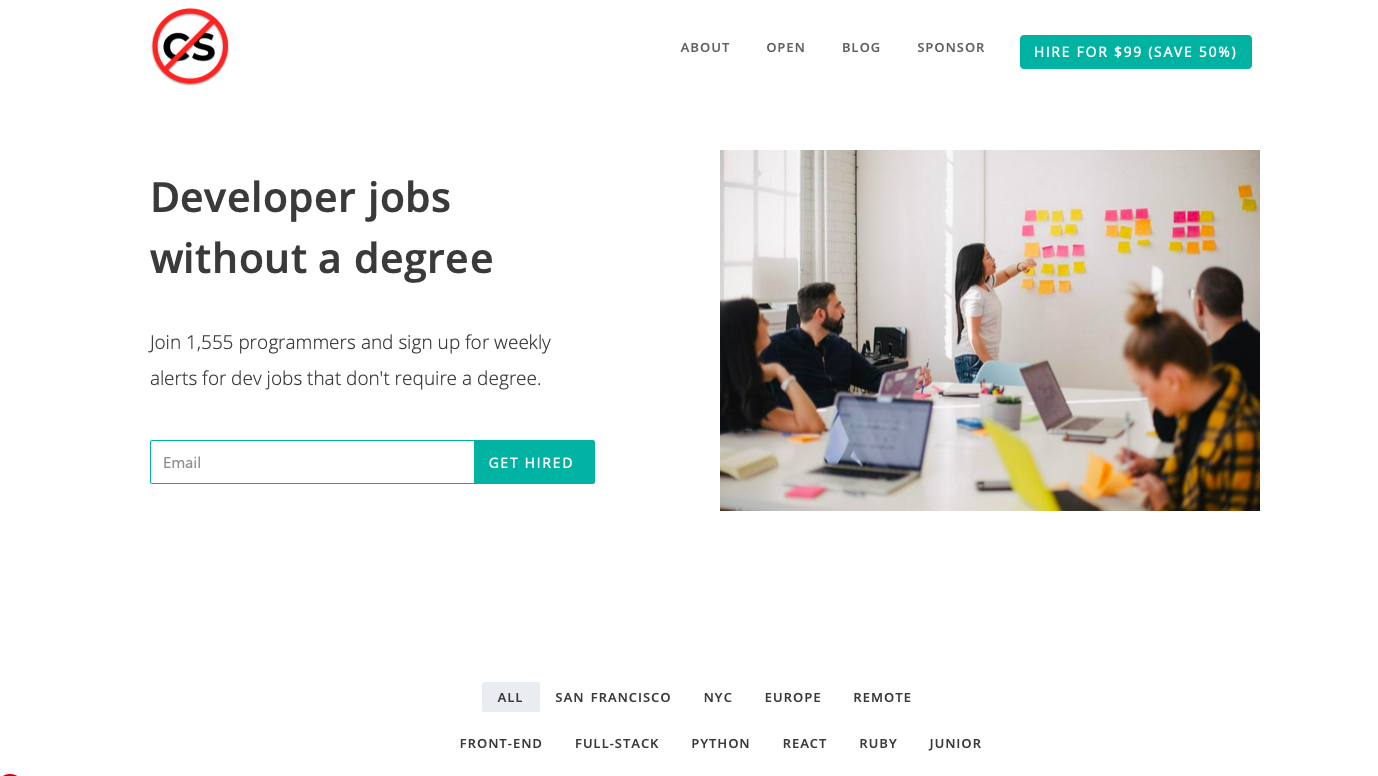
Many perceive that landing a programming role is nearly impossible due to the extensive qualifications listed in job descriptions or the success stories of prominent tech giants. While it’s true that competition can be fierce, it’s equally important to distinguish between perception and reality. Many applicants underestimate their value, overlook the importance of soft skills, or dismiss alternative avenues within the tech sphere. The reality is, a well-rounded candidate with a genuine passion for problem-solving and ongoing learning can still secure meaningful employment.
The competition often filters candidates who are willing to learn, adaptable, and persistent. High-level technical skills are essential but not the sole factor; employers increasingly value teamwork, communication, and cultural fit. Recognizing this can help you shift your focus from just technical prowess to holistic professional development. In essence, while the market is competitive, those who align their skills and mindset strategically will find opportunities rather than obstacles.
Required Skills and Experience – The Keys to Landing a Programming Role

Securing a programming job typically necessitates a blend of technical skills and practical experience. Mastery of core programming languages like Python, Java, or JavaScript remains fundamental, but in-depth knowledge of algorithms, data structures, and software design patterns can give you a competitive edge. Equally important is your ability to demonstrate real-world experience—via projects, internships, or contributions to open-source—to illustrate your proficiency and problem-solving capabilities.
However, it’s not solely about technical mastery. Employers seek candidates who can adapt to new tools, understand user needs, and work effectively within a team. Building a portfolio showcasing diverse projects, constant self-education, and practical experience in collaborative environments can significantly enhance your employability. Remember, the required skills evolve with industry trends, so staying current and diversifying your expertise are crucial to opening doors in the programming world.
Beyond Technical Skills – Soft Skills’ Impact on Programming Job Success
While technical prowess is undoubtedly critical, soft skills often differentiate candidates in an overcrowded job market. Communication, critical thinking, and problem-solving capacities are invaluable when working on complex projects, collaborating with diverse teams, or interacting with clients. These skills also influence your ability to learn quickly, adapt to new challenges, and contribute meaningfully to a company’s culture.
Many programmers underestimate the importance of emotional intelligence and interpersonal skills, yet these qualities can be decisive during interviews or performance reviews. Demonstrating empathy, patience, and effective communication can not only make you more attractive as a candidate but also enable you to thrive in multidisciplinary environments. Highlighting soft skills alongside technical abilities makes your profile more balanced and compelling to prospective employers.
Strategies for Standing Out – Proven Methods for Securing Programming Interviews
In such a competitive arena, standing out from the myriad applicants requires deliberate and strategic effort. Building a personal brand through open-source contributions, active participation in developer communities, and maintaining an active online presence can showcase your passion for programming and your commitment to growth. Tailoring your resume and cover letter to highlight relevant experiences and aligning them with each role’s requirements is equally important.
Networking remains one of the most effective methods; attending industry meetups, participating in hackathons, or engaging with online forums can lead to referrals and hidden opportunities. Preparing diligently for technical interviews by practicing coding challenges, mock interviews, and understanding problem-solving strategies will boost your confidence and performance. Ultimately, persistence paired with strategy increases your likelihood of landing interviews and, eventually, job offers.
The Long View – Career Growth and Adaptability in the Programming Field
Embarking on a programming career is not merely about landing the first job; it’s about building resilience, adaptability, and continuous learning. The tech industry evolves rapidly, with new frameworks, languages, and paradigms emerging frequently. Successful programmers embrace this fluidity by staying curious, investing in ongoing education, and developing a growth mindset.
Long-term career growth involves setting goals, diversifying your skill set, and seeking opportunities that challenge you. Whether you aim to become a specialist in AI, transition into product management, or switch to new tech stacks, flexibility is vital. By cultivating a mindset geared toward lifelong learning and adaptability, you’ll position yourself to thrive in the evolving programming landscape and answer definitively—is it hard to get a programming job?—with resilience, strategic action, and confidence.
Conclusion
The journey to a programming career involves navigating a competitive market where technical skills, soft skills, strategic positioning, and continuous growth all play vital roles. While the demand for programmers remains high, the path to securing a role can be challenging and requires dedication, adaptability, and savvy. Recognizing the realities, sharpening your skill set, leveraging networks, and maintaining a growth mindset are the best strategies to overcome obstacles and seize opportunities in this thriving field. Ultimately, with persistence and a strategic approach, most aspiring programmers can turn the question of is it hard to get a programming job into a resounding affirmation of resilience and success in the tech industry.
🚀 Preparing for tech interviews?
Boost your skills with IT Interview Prep — practice real questions, track your progress, and get ready to ace your next interview!
👉 Download now on Google Play







-
Tagged flutter, mobile-dev, react-native