
Navigating the Roadmap from Junior to Senior Developer – A Strategic Path to Software Excellence
Embarking on the journey from a junior to a senior developer involves more than just acquiring new skills; it’s about evolving your mindset, adopting strategic practices, and embracing leadership qualities that set you apart in the tech world. In this comprehensive guide, we explore the essential stages and insights needed to forge a successful career path, charting the roadmap from junior to senior developer. Whether you’re just starting out or aspiring to reach the next level, understanding this journey is fundamental to unlocking your full potential.
Introduction: Defining the Junior to Senior Developer Journey
The transition from a junior to a senior developer isn’t merely a matter of accumulating experience—it represents a profound transformation in technical mastery, problem-solving approaches, and leadership capacity. At the outset, a junior developer often functions under close supervision, focusing on completing assigned tasks and learning the basics of code writing and debugging. As development progresses, the goal is to develop independence, strategic thinking, and an understanding of how individual components fit into larger systems. This progression entails a shift from merely following instructions to owning projects, making critical decisions, and mentoring others.
Understanding this journey requires acknowledging that each stage builds upon the previous; it’s a layered process of skill acquisition, personal development, and increased responsibility. Effective planning and continuous learning are essential. As you traverse this roadmap, embracing challenges, seeking feedback, and investing in soft skills such as communication will be as crucial as technical expertise. Ultimately, the journey from junior to senior developer molds you into a well-rounded professional capable of impacting projects and teams profoundly.
Technical Skill Development: Core Competencies and Beyond
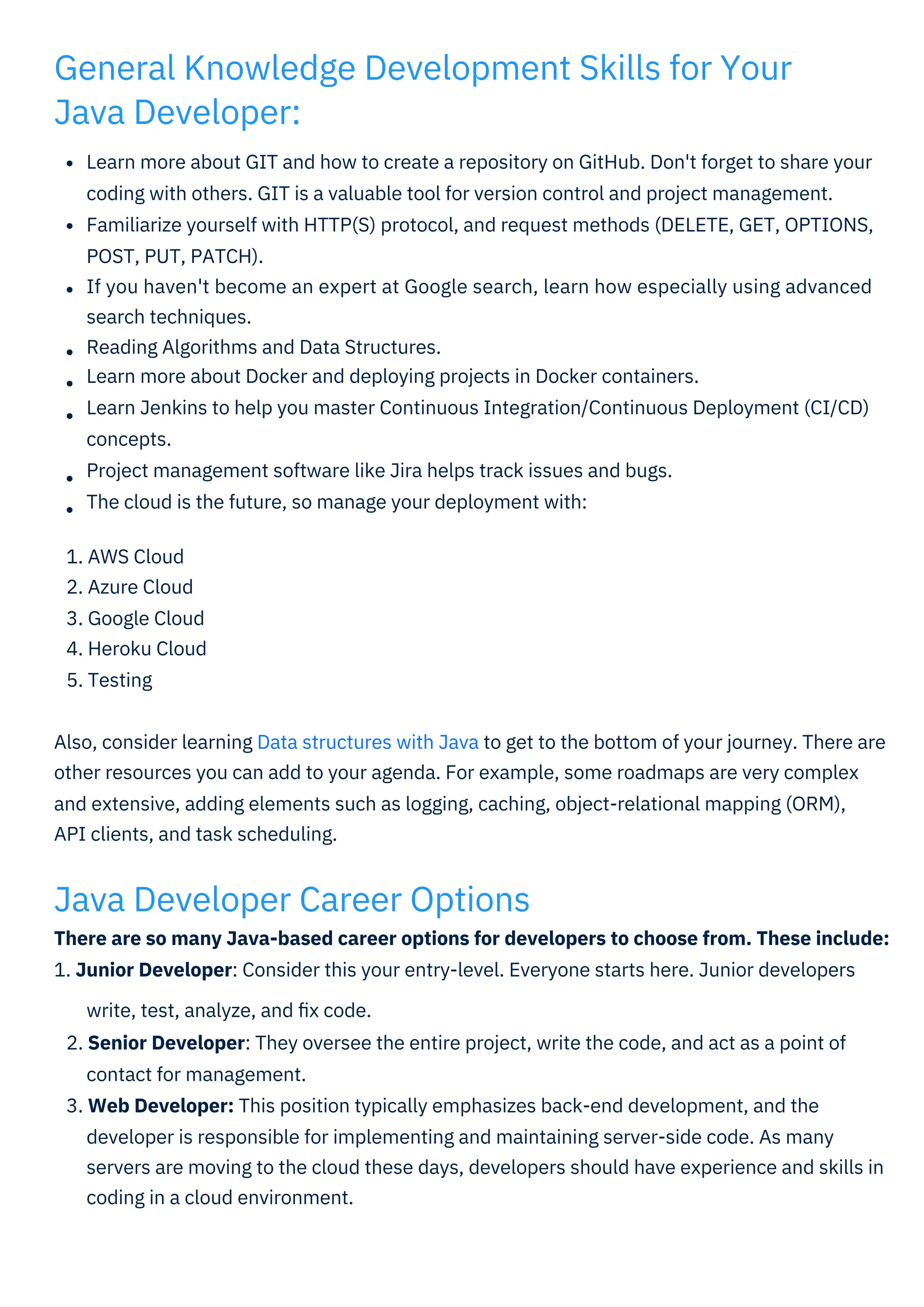
The foundation of advancing from a junior to a senior developer is a robust set of core technical skills. Initially, building proficiency in a primary programming language, understanding basic algorithms, data structures, and version control systems like Git are fundamental. However, true mastery extends beyond syntax; it involves writing clean, efficient, and maintainable code, along with developing a keen eye for detecting and fixing bugs. As developers mature, they learn to navigate complex systems, debug more efficiently, and optimize performance, which distinguishes senior practitioners.
Beyond the basics, a senior developer often broadens their technical expertise into areas like system architecture, scalability, deployment pipelines, and security best practices. They are expected to not only write code but also to design APIs, understand cloud infrastructures, and implement best practices in testing and CI/CD pipelines. Moreover, they embrace a mindset of continuous learning—keeping pace with emerging frameworks, languages, and industry trends. This comprehensive skill set allows for more strategic decision-making, influencing project outcomes beyond mere coding.
Architectural Understanding and Design Principles

A hallmark of seniority in software development is a deep understanding of software architecture and design principles. From a junior role, an engineer might focus on coding specific tasks, but as they progress, they’re entrusted with designing systems that are scalable, reliable, and maintainable. This involves grasping high-level concepts such as microservices, monoliths, event-driven architecture, and RESTful services, as well as knowing when and how to apply them.
Design principles—such as SOLID, DRY, KISS, and YAGNI—become integral tools in the senior developer’s toolkit. They translate these principles into practical solutions that handle complex requirements while avoiding future technical debt. Moreover, a senior developer’s ability to visualize system architecture and communicate it to team members ensures collaborative success. A strategic and holistic approach to design not only improves current projects but also lays a robust groundwork for future enhancements, reflecting their growth in strategic thinking and technical foresight.
Code Quality and Best Practices: From Implementation to Review
At the junior level, coding might focus on functionality achievement, but as one elevates to senior roles, the emphasis shifts towards code quality and sustainable development practices. Implementing rigorous code reviews, fostering coding standards, and championing best practices for testing are crucial for delivering robust software. Senior developers are often the gatekeepers of quality, mentoring others on readability, consistency, and maintainability, which are critical factors for long-term project health.
Furthermore, code isn’t just written; it is continuously improved through refactoring, documentation, and peer review. Senior developers are responsible for establishing and enforcing practices such as automated testing, static analysis, and deployment pipelines that ensure reliability across project lifecycles. Their role involves balancing speed with quality, knowing when to optimize code and when to refactor, and recognizing that quality software is a team effort. Mastering these practices signifies a developer’s transition from implementation to fostering a culture of craftsmanship and excellence.
Mentorship, Leadership, and Communication Skills
Transitioning from a technical role to a leadership position is a defining feature of senior developers. Mentoring junior team members, providing constructive feedback, and sharing knowledge become essential responsibilities. This growth in soft skills reflects an understanding that impactful software development is collaborative, requiring clear communication of ideas, active listening, and conflict resolution.
Leadership also manifests in taking ownership of projects, guiding architectural decisions, and managing stakeholder expectations. Effective communication ensures that technical complexity is conveyed to non-technical stakeholders, fostering alignment and shared understanding. Developing emotional intelligence, patience, and the ability to motivate others is critical to leadership. Ultimately, these skills amplify the developer’s capacity to shape the team’s culture, influence project success, and contribute meaningfully to organizational goals.
Navigating Career Growth: Opportunities and Strategic Decisions
A clear understanding of career pathways enables developers to make strategic decisions aligning with their goals. Opportunities such as moving into lead roles, technical archipelagos like architecture or DevOps, or managerial positions require deliberate skill development and readiness. For instance, transitioning from a senior developer to a technical lead involves deepening leadership skills, strategic planning, and stakeholder management.
Strategic decisions also include choosing roles that align with personal interests—whether specializing in a niche technology or broadening into product management or entrepreneurship. Recognizing the importance of networking, continuous education, and adapting to industry trends is vital for sustained growth. Embracing a mindset of lifelong learning and agility ensures that the roadmap from junior to senior developer is not merely a linear progression but a dynamic journey of evolving skills, opportunities, and contributions.
Conclusion
The journey from a junior to a senior developer is a multifaceted process that encompasses technical mastery, strategic thinking, design expertise, and leadership qualities. It requires consistent effort, ongoing learning, and a proactive attitude toward growth and collaboration. By understanding and mastering each stage—core skills, architectural insights, quality standards, soft skills, and strategic career planning—you’ll be well-equipped to navigate this roadmap successfully. Embracing this comprehensive perspective ensures not only career advancement but also a lasting impact in the world of software development, transforming you into a well-rounded, influential professional.
🚀 Preparing for tech interviews?
Boost your skills with IT Interview Prep — practice real questions, track your progress, and get ready to ace your next interview!
👉 Download now on Google Play







-
Tagged flutter, mobile-dev, react-native