
Unlocking Success – Essential Interview Tips for Fresh Graduate Developers to Land Their Dream Job
Landing a developer role as a fresh graduate can feel both exciting and overwhelming. With the tech industry constantly evolving, standing out in interviews requires a blend of technical prowess, soft skills, and strategic preparation. This comprehensive guide on interview tips for fresh graduate developers aims to arm you with practical insights to excel and boost your confidence. Whether you’re tackling coding challenges or making a memorable impression with your soft skills, this post covers everything you need to know to navigate the interview process successfully.
Preparing for Technical Interviews – Core Concepts & Data Structures to Master
Preparation is the foundation for a successful technical interview. As a fresh graduate, understanding core concepts—such as algorithms, data structures, and system design—is essential. Employers are looking for candidates who can think critically and solve problems efficiently. Focus your study plan on mastering fundamental topics like arrays, linked lists, trees, stacks, queues, hash maps, and sorting algorithms. These building blocks are recurrent themes in coding challenges and test your ability to manipulate data effectively.
Deepening your knowledge in these areas also involves understanding algorithm complexity—big O notation, for example—which demonstrates your ability to write optimized code. Practice coding on platforms like LeetCode, HackerRank, or CodeSignal to sharpen your problem-solving skills. Don’t just memorize solutions; aim to understand the logic behind each approach. Practice mock interviews with peers or mentors to simulate real-world conditions, which helps reduce anxiety and improve your performance during actual interviews.
Behavioral Interview Strategies – Showcasing Soft Skills and Teamwork
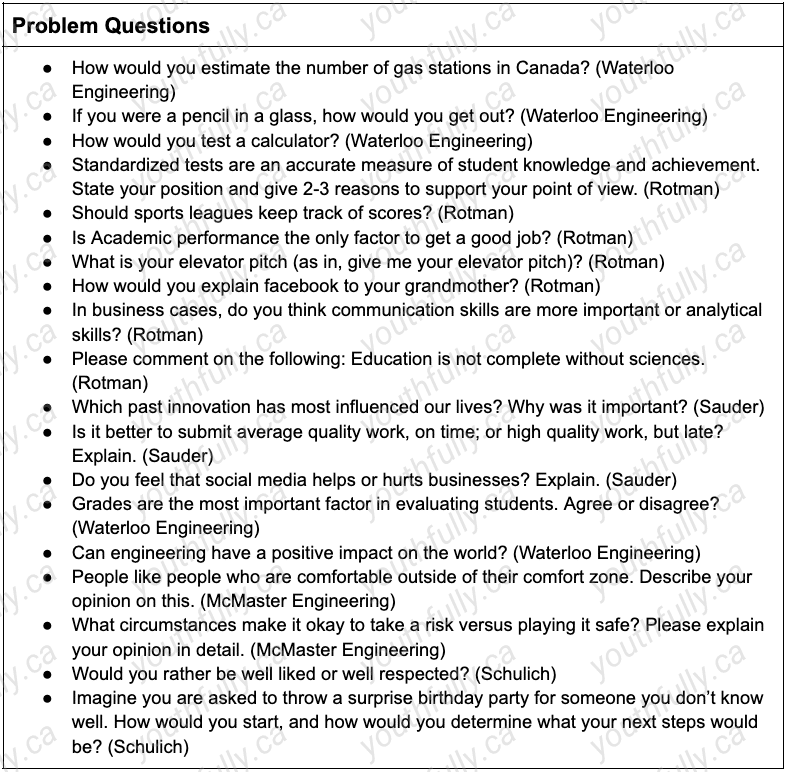
While technical skills are paramount, behavioral interviews evaluate your soft skills, cultural fit, and how you handle real-world team dynamics. Fresh graduates often underestimate the importance of soft skills, but recruiters seek candidates who communicate effectively, demonstrate adaptability, and show enthusiasm for learning. Prepare examples from your academic projects, internships, or extracurricular activities that highlight your problem-solving abilities, teamwork, and resilience.
During the interview, actively listen to questions and respond thoughtfully, emphasizing your collaborative mindset. Share stories that reflect your capacity to handle challenges, accept feedback constructively, and learn from mistakes. Demonstrate genuine interest by asking insightful questions about the company’s culture, development process, or future projects. This approach shows enthusiasm and engagement which can leave a positive impression with your interviewers.
Demonstrating Proficiency – Coding Challenges & Problem-Solving Techniques

To stand out as a fresh graduate developer, you need more than theoretical knowledge—you must demonstrate real coding proficiency. Employers typically assess this through coding challenges that focus on problem-solving skills, logical thinking, and debugging abilities. Approach each problem by clarifying requirements, planning your solution before coding, and testing thoroughly.
Adopt problem-solving techniques like breaking down complex problems into smaller parts, using diagrams or pseudocode to visualize your approach, and practicing iterative coding. Debugging skills are equally crucial; show your interviewer how you identify issues and refine your solutions. Participating in timed contests also helps you get comfortable with managing pressure. Remember, demonstrating your structured thinking and efficient coding during these challenges is more valuable than rushing through solutions.
Crafting a Compelling Resume and Portfolio – Highlighting Your Projects and Skills
Your resume is often the first impression recruiters have of you, making it crucial to craft a clear, compelling document that highlights relevant skills and experiences. As a fresh graduate, emphasize coursework, internships, personal projects, open-source contributions, or hackathon participation. Showcase your technical stack—languages, frameworks, tools—and quantify your achievements when possible (e.g., improved performance by 20%).
Additionally, creating a professional portfolio or GitHub repository provides tangible evidence of your coding skills. Include well-documented projects, especially those demonstrating problem-solving, collaboration, or innovative thinking. Remember, quality outweighs quantity; select projects that align with the roles you’re targeting and illustrate your growth and learning journey. A strong portfolio can be a key differentiator, inspiring confidence in your abilities.
Researching Companies and Roles – Aligning Your Skills with Their Needs
Preparation goes beyond technical readiness—understanding the company and role you’re applying for can significantly boost your chances. Conduct thorough research on the organization’s products, technology stack, company culture, and recent news. Review their job descriptions to identify the key skills and qualities they prioritize, then tailor your responses and resume to highlight those areas.
Additionally, identify how your background and projects align with the company’s mission and challenges. For example, if the company emphasizes agile development, discuss your experience collaborating in fast-paced team environments. Showing that you’ve invested time in understanding the company not only demonstrates genuine interest but also allows you to craft meaningful questions to ask during the interview, setting you apart as a motivated candidate.
Asking Insightful Questions – Leaving a Lasting Positive Impression
Interviews are a two-way street; asking insightful questions leaves a positive, memorable impression. Prepare questions that reflect your curiosity about the team, project work, or company values. Instead of generic questions like “What does your team do?”, ask about specific challenges they are tackling or how they adopt new technologies.
This demonstrates your proactive mindset and eagerness to contribute meaningfully. It also helps you assess if the company culture and role are the right fit for your goals. Remember, interviewers appreciate candidates who are genuinely interested and invested in their organization. Asking thoughtful questions can transform a standard interview into a dynamic conversation, fostering rapport and reinforcing your candidacy.
Conclusion
Successfully navigating interviews as a fresh graduate developer requires a strategic blend of technical expertise, soft skills, and personalized preparation. Mastering core concepts and data structures allows you to demonstrate problem-solving capabilities, while showcasing your soft skills highlights your potential as a collaborative team member. Developing a polished resume and portfolio, researching companies thoroughly, and asking insightful questions further distinguish you as a motivated and prepared candidate. Remember, each interview is also an opportunity for growth; learn from feedback, stay persistent, and continually refine your approach. With careful preparation and confidence, you can turn those interview opportunities into your first professional coding role and set the stage for a rewarding career.
🚀 Preparing for tech interviews?
Boost your skills with IT Interview Prep — practice real questions, track your progress, and get ready to ace your next interview!
👉 Download now on Google Play




-
Tagged flutter, mobile-dev, react-native