
Achieving Work-Life Harmony as a Developer – Strategies for a Fulfilling Balance
In today’s fast-paced tech world, maintaining work-life balance for developers is more crucial than ever. Developers often find themselves caught between tight project deadlines, continuous learning curves, and the desire for personal fulfillment. Achieving a state of harmony where professional growth and personal well-being coexist is not just a lofty ideal but a practical necessity for sustained productivity and happiness. This guide explores essential strategies to help developers foster a healthy work-life dynamic, ensuring their career advancements do not come at the expense of personal health and relationships.
Achieving Work-Life Harmony: A Developer’s Guide
Achieving work-life harmony as a developer involves aligning your professional responsibilities with your personal values and needs in a way that feels sustainable over the long term. Unlike the traditional notion of work-life balance, which implies a strict separation, harmony emphasizes fluidity, allowing for periods of intense focus or relaxation as needed. Developers should focus on creating an environment—both mentally and physically—that promotes this fluidity by integrating flexible routines and mindfulness practices into their daily lives. Recognizing the signs of imbalance early and proactively adjusting your schedule can prevent burnout and help maintain motivation and clarity.
Moreover, embracing a mindset of growth rather than perfection encourages developers to be kinder to themselves during fluctuating workloads. When work and personal life are seen as interconnected rather than isolated, it becomes easier to find ways to recharge through hobbies, relationships, or continuous learning. Developing this holistic approach requires self-awareness, clear goal-setting, and the willingness to adapt, ultimately enabling developers to cultivate sustained happiness and productivity in their careers.
Prioritization and Planning: Key Strategies for Developer Work-Life Balance
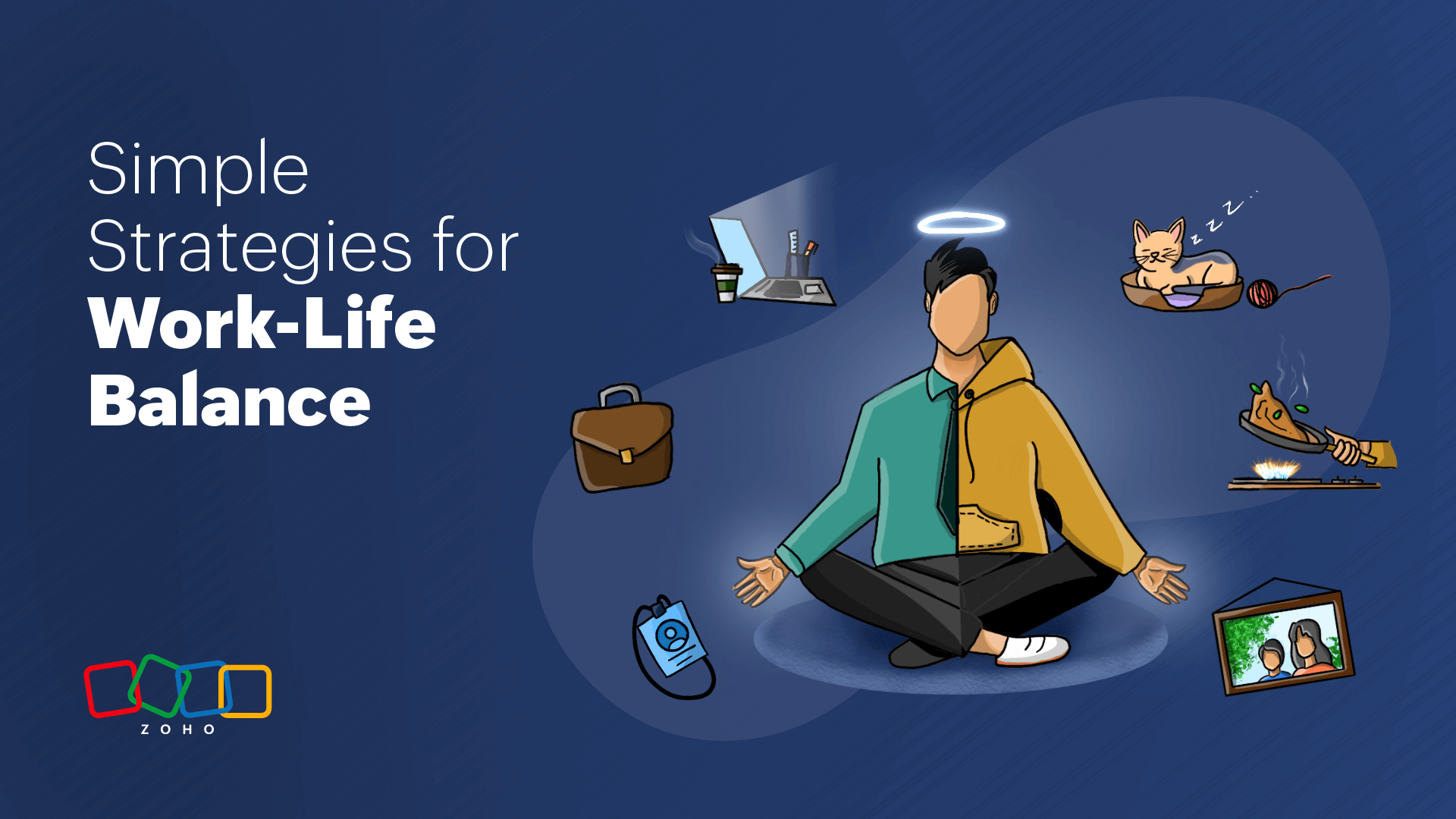
Effective prioritization and planning are fundamental pillars supporting a healthy developer work-life balance. Many developers struggle with managing ever-expanding to-do lists and shifting project requirements, which leads to stress and compromised personal time. Implementing disciplined planning—such as Agile methodologies, Kanban boards, or simple daily prioritization—can significantly mitigate this chaos. The key is to identify high-impact tasks, set realistic goals, and allocate specific time blocks for deep work, meetings, and leisure activities.
Beyond task management, developers should adopt the habit of reviewing their workload regularly—weekly and bi-weekly—to adjust priorities based on evolving needs. This not only helps prevent last-minute rushes but also fosters a sense of control and clarity. Additionally, cultivating the discipline to say no to non-essential commitments is crucial; this ensures your energy is focused on meaningful tasks aligned with your personal and professional objectives. Thoughtful planning transforms overwhelming schedules into manageable, purposeful routines, allowing developers to excel at work while still enjoying quality personal time.
Combating Burnout: Maintaining Well-being in a Demanding Development Role
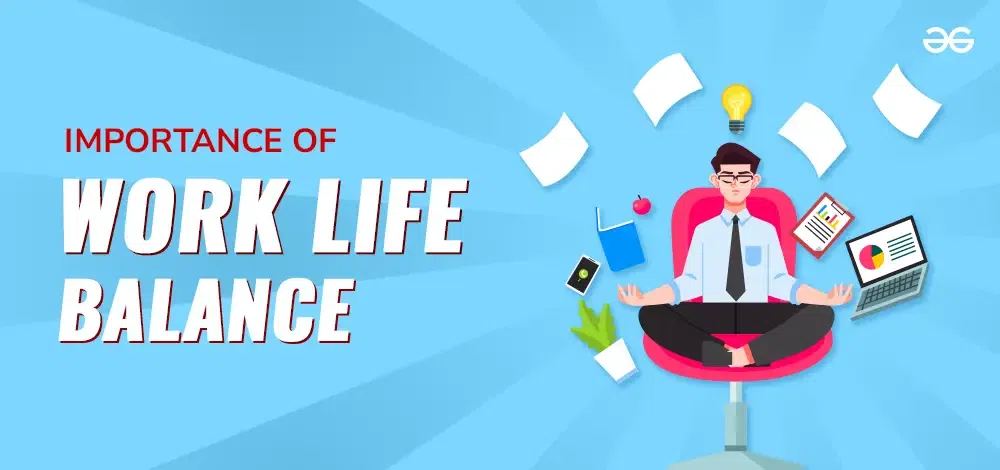
Burnout is a pervasive challenge within the tech industry, fueled by relentless deadlines, constant learning demands, and sometimes a culture that glorifies overwork. To combat burnout, developers must prioritize well-being and actively cultivate resilience strategies. This begins with recognizing the early warning signs—persistent fatigue, cynicism, decreased productivity—and addressing them proactively. Simple steps such as regular breaks, physical activity, mindfulness meditation, and ensuring sufficient sleep can have profound impacts on mental clarity and emotional stability.
Additionally, fostering a supportive work environment where vulnerability and open communication are valued creates a safer space for developers to voice their struggles. Employers can play a pivotal role by encouraging flexible work hours, providing mental health resources, and acknowledging the importance of work-life balance initiatives. For developers personally, establishing boundaries around work hours, disconnecting from devices after work, and engaging in hobbies outside of technology are vital practices for long-term health. Prioritizing self-care isn’t an indulgence—it’s a necessity for sustained performance and happiness in demanding roles.
Setting Boundaries: Protecting Personal Time as a Software Developer
One of the most effective ways for developers to maintain work-life balance is by setting firm boundaries that safeguard personal time. In the gig or remote work economy, the lines between work and leisure can blur easily, leading to work encroaching on evenings, weekends, and even vacations. Clear boundaries—such as designated working hours, not checking emails after hours, and having a dedicated workspace—signal to colleagues and oneself that personal time is non-negotiable.
Building these boundaries requires communications that are both assertive and respectful, clearly outlining your availability and response times. Over time, setting consistent boundaries helps to foster a culture of respect and understanding within teams, reducing the expectation of constant availability. For developers, this discipline not only preserves mental health but also enhances productivity during work hours, as a well-defined boundary prevents burnout and ensures that moments of rest are genuinely restorative, enabling you to return to work refreshed and more engaged.
Leveraging Technology for Enhanced Work-Life Integration
While technology can sometimes blur work-life boundaries, it also offers unique tools to reinforce them when used thoughtfully. Developers can leverage productivity apps, time-tracking tools, and automation to streamline mundane tasks, freeing up more personal time. For instance, scheduling tools like calendar blockers help allocate specific times for deep work, meetings, and breaks, reinforcing healthy boundaries. Similarly, automation scripts and CI/CD pipelines reduce manual workloads, allowing developers to focus on more meaningful, impactful tasks.
Additionally, apps supporting mindfulness, exercise, and mental health tracking can serve as reminders to prioritize well-being throughout the day. Using technology deliberately—both in terms of work tools and personal wellness apps—empowers developers to craft an environment that supports sustainable work habits. When balanced effectively, technology becomes an enabler of work-life integration rather than a contributing factor to overload, fostering a holistic approach where professional success and personal health grow hand in hand.
Company Culture and Support: Fostering a Developer-Friendly Environment
A positive company culture is integral to promoting work-life balance for developers. Organizations that prioritize employee well-being understand that productivity and morale improve when developers feel respected, supported, and trusted. This involves policies that encourage flexible hours, remote work options, and reasonable project timelines, as well as fostering open dialogue around workload management and mental health. Managers should be proactive in recognizing signs of burnout and creating pathways for employees to seek help without stigma.
At the grassroots level, fostering peer support networks and encouraging collaborative feedback sets the tone for a nurturing environment. Employers can also implement initiatives like mental health days, wellness programs, or mentorship schemes that prioritize personal development alongside technical skills. For developers, being part of a supportive culture makes it easier to set boundaries, speak openly about challenges, and adopt healthy routines. Ultimately, a developer-friendly company culture transforms the workplace from a source of stress into a community that champions work-life balance as essential for sustained innovation and happiness.
Conclusion
Achieving work-life balance for developers requires intentional effort from both individuals and organizations. By adopting strategic prioritization and planning, proactively combating burnout, setting clear boundaries, leveraging supportive technology, and fostering a positive company culture, developers can create an environment of sustainable productivity and personal fulfillment. This holistic approach not only enhances career satisfaction but also promotes mental, emotional, and physical well-being—empowering developers to thrive in their roles while enjoying a meaningful and balanced life. Striking this harmony is not a destination but an ongoing journey, one that cultivates resilience, creativity, and happiness in the ever-evolving landscape of software development.
🚀 Preparing for tech interviews?
Boost your skills with IT Interview Prep — practice real questions, track your progress, and get ready to ace your next interview!
👉 Download now on Google Play






-
Tagged flutter, mobile-dev, react-native