

Mastering Time Management for Developers – Unlocking Peak Productivity and Work-Life Balance
In the fast-paced world of software development, time management for developers is not just a helpful skill—it’s a crucial component for success. Effective time management can help developers deliver high-quality code, meet deadlines, and maintain a healthy work-life balance. With endless features to build, bugs to fix, and meetings to attend, managing time efficiently becomes a game-changer in maintaining productivity and reducing stress.
Prioritizing Tasks and Estimating Time Effectively as a Developer

One of the foundational aspects of time management for developers is the ability to prioritize tasks effectively. Developers often juggle multiple tasks simultaneously—from feature development to bug fixes to code reviews—and without clear priorities, it’s easy to get overwhelmed. The key is to differentiate between urgent and important tasks, understanding which ones need immediate attention and which can wait. Techniques like the Eisenhower Matrix help visualize this distinction, ensuring that developers focus on high-impact activities that propel projects forward.
Equally critical is accurate time estimation. Underestimating tasks can lead to missed deadlines and last-minute stress, while overestimating can cause unnecessary downtime. Developers should adopt practices like breaking down complex features into manageable chunks and using historical data to inform future estimates. Over time, this creates a feedback loop that refines estimation skills. When developers learn to set realistic goals, they can allocate time more strategically, reduce scope creep, and maintain better project timeline control—all essential for successful time management for developers.
Minimizing Distractions and Optimizing Focus for Increased Developer Productivity
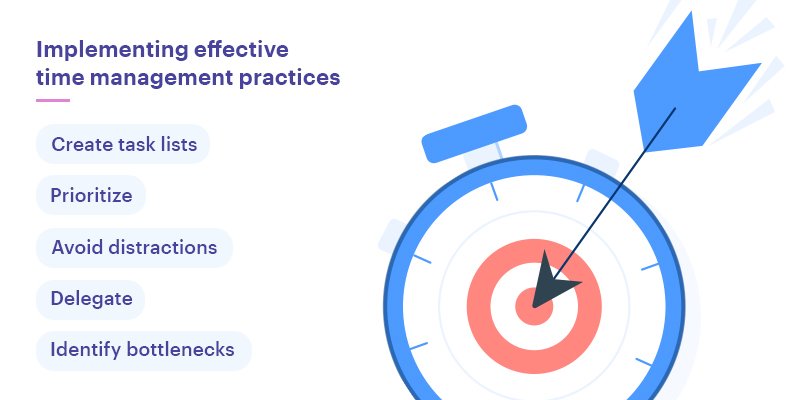
In today’s digital age, distractions are around every corner—from notifications and emails to social media and open-office environments. For developers, maintaining focus is critical to productivity and code quality. Minimizing interruptions involves creating boundaries—such as turning off non-urgent notifications during deep work sessions and establishing specific periods for checking emails or messages. Many developers find that utilizing “do not disturb” modes or dedicating blocks of uninterrupted time significantly elevates their output and reduces cognitive fatigue.
Optimizing focus also requires cultivating an environment conducive to concentration. Whether working in a quiet home office or a designated collaborative workspace, the goal is to reduce external stimuli that fragment attention. Techniques like deep work sessions, where developers immerse themselves for extended periods without distraction, foster high-quality output. Mindfulness practices and regular breaks further help maintain mental clarity. Building these habits creates a sustainable rhythm that significantly enhances time management for developers, leading to higher efficiency and a more balanced workday.
Leveraging Agile Methodologies and Tools for Improved Time Management
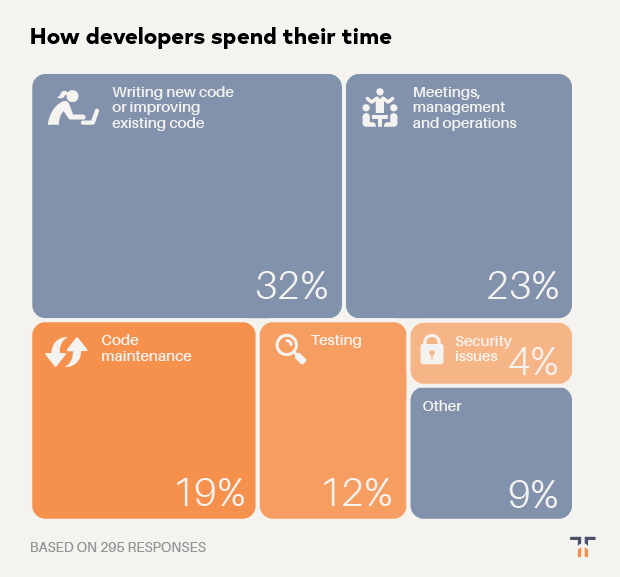
Agile methodologies, such as Scrum and Kanban, are more than just project frameworks—they’re powerful tools for time management for developers. These approaches promote iterative development, frequent reassessment, and adaptive planning, allowing teams to respond quickly to changing requirements and priorities. By breaking down work into manageable sprints or visualizing tasks on Kanban boards, developers can stay focused on immediate goals, reducing the overwhelm that often accompanies large, monolithic projects.
Additionally, modern Agile tools like Jira, Trello, and Azure DevOps streamline task tracking, time logging, and collaboration. These tools enable developers to allocate time more accurately, identify bottlenecks early, and shift resources as needed. With clear visibility into project progress and individual responsibilities, teams can avoid bottlenecks and ensure optimal workload distribution. Leveraging Agile practices encourages discipline, transparency, and adaptive planning—all of which are vital for effective time management for developers. When efficiently implemented, Agile methodologies transform chaos into clarity, ensuring that development cycles remain productive and predictable.
The Pomodoro Technique and Other Timeboxing Strategies for Developers
The Pomodoro Technique—a timeboxing method where 25-minute work intervals are followed by short breaks—has gained popularity among developers seeking to enhance focus and productivity. This approach capitalizes on the brain’s natural attention span, encouraging periods of intense concentration while preventing burnout. Implementing this technique can help developers combat procrastination, stay motivated, and experience a sense of achievement with every completed “Pomodoro.”
Beyond the traditional Pomodoro, numerous variations and other timeboxing strategies cater to different working styles. For example, some developers prefer longer blocks of focused work—like 50-minute sessions—interspersed with longer breaks. The key is to tailor these strategies to individual rhythms, balancing deep work with regeneration. Tracking the number of completed intervals provides insight into work patterns and helps optimize future schedules. When combined with disciplined planning, these timeboxing methods serve as concrete tools to amplify time management for developers, fostering sustained concentration and preventing fatigue.
Effective Meeting Management and Communication Strategies for Software Development Teams
Meetings are often necessary but can become significant drains on developer productivity if not managed properly. Effective time management for developers involves restructuring meetings to be concise, purposeful, and outcome-oriented. Setting clear agendas beforehand, limiting attendees to only those directly involved, and enforcing strict start and end times ensures that meetings add value rather than consume unnecessary hours. Additionally, embracing asynchronous communication—via Slack, emails, or comments—can prevent interruptions during focused work periods.
Good communication strategies extend beyond meeting logistics. Clear documentation, shared goals, and regular check-ins foster transparency and reduce miscommunication, which can otherwise lead to duplicated work or rework. Integrating collaboration tools and establishing norms for status updates can streamline information flow, allowing developers to stay aligned without constant syncs. When teams adopt disciplined communication principles, they preserve valuable time management hours and create a productive workflow that respects everyone’s time and cognitive resources.
Combating Burnout and Promoting Work-Life Balance – A Developer’s Guide to Time Management
Perhaps the most overlooked aspect of time management for developers is ensuring mental and physical well-being. Continuous new challenges, tight deadlines, and high cognitive loads make burnout a real threat. Successful developers learn to recognize signs of fatigue and incorporate practices like regular breaks, exercise, and setting boundaries between work and personal life. Prioritizing personal time isn’t a luxury but a necessity—rested minds are more creative, focused, and productive.
Promoting work-life balance involves intentional planning—setting realistic goals, avoiding overcommitment, and utilizing tools like time tracking and calendar scheduling to allocate time for self-care. It also means creating an environment where mental health is valued and encouraged. When companies and individuals prioritize well-being alongside efficiency, it produces sustainable time management habits that prevent burnout and foster long-term career satisfaction. Ultimately, mastering these balance strategies leads to a more resilient developer, capable of maintaining peak performance without sacrificing personal happiness and health.
Conclusion
Mastering time management for developers involves a holistic approach that combines task prioritization, minimizing distractions, leveraging effective project methodologies, utilizing strategic timeboxing, streamlining communication, and nurturing personal well-being. By adopting these practices, developers can not only enhance their productivity but also enjoy a sustainable work rhythm that promotes creative growth and work-life balance. Achieving this equilibrium ensures that great software is built efficiently while maintaining mental clarity and physical vitality, making time management an indispensable skill for any successful developer.
🚀 Preparing for tech interviews?
Boost your skills with IT Interview Prep — practice real questions, track your progress, and get ready to ace your next interview!
👉 Download now on Google Play








-
Tagged flutter, mobile-dev, react-native