

Unlocking Success in Code – Mastering Problem Solving Skills in Programming
Developing strong problem solving skills in programming is essential for every aspiring or seasoned coder. These skills empower you to tackle complex challenges, optimize solutions, and innovate in a rapidly evolving tech landscape. Whether you’re debugging code, designing new algorithms, or working on large-scale projects, the ability to solve problems efficiently and creatively is at the heart of programming mastery.
In this blog, we delve deep into the core principles, strategies, and techniques that cultivate exceptional problem-solving skills in programming. From understanding foundational concepts to mastering advanced strategic thinking, this comprehensive guide will equip you with the tools and mindset needed to excel in any coding scenario.
Introduction to Problem-Solving in Programming

At its core, problem solving in programming involves translating real-world issues or abstract challenges into logical, executable solutions. It’s an iterative process where understanding the problem, breaking it down into manageable parts, designing a plan, implementing it, and refining the outcome form the fundamental cycle. In practice, programming isn’t just about writing code—it’s about thinking logically, planning systematically, and adapting flexibly to new information or constraints.
What makes problem solving in programming particularly fascinating is its universality; the same principles apply whether you’re developing a mobile app, optimizing database queries, or working on artificial intelligence. Recognizing that problem solving is a measurable skill that can be cultivated is empowering. It enables programmers to approach unfamiliar challenges with confidence, fostering innovation and resilience. Developing a problem-solving mindset is, therefore, not an optional skill but an essential pillar of a sustainable programming career.
Core Principles of Effective Programming Problem Solving
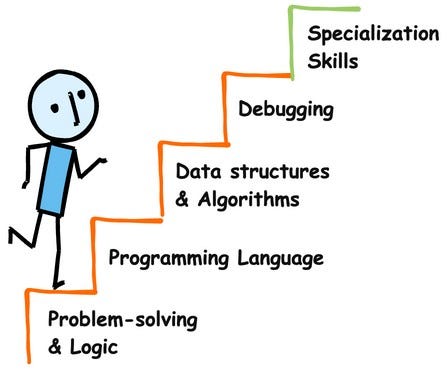
Successful problem solving in programming starts with grasping consistent, foundational principles. Firstly, clarity of understanding is vital—before jumping to code, spend ample time analyzing the problem statement. Ask yourself what the input, expected output, and constraints are. Clear comprehension prevents wasted effort and misdirected solutions.
Secondly, breaking down problems into smaller, more manageable parts enhances clarity and reduces complexity. This involves identifying sub-problems or modules, which can be tackled independently, making the overall challenge less daunting. Additionally, optimizing for simplicity in your approach often yields more robust and maintainable solutions, avoiding the trap of over-complicated code. Adhering to these principles cultivates a disciplined approach that leads to sustainable problem-solving habits and resilient solutions.
Deconstructing Complex Problems – Strategies and Techniques
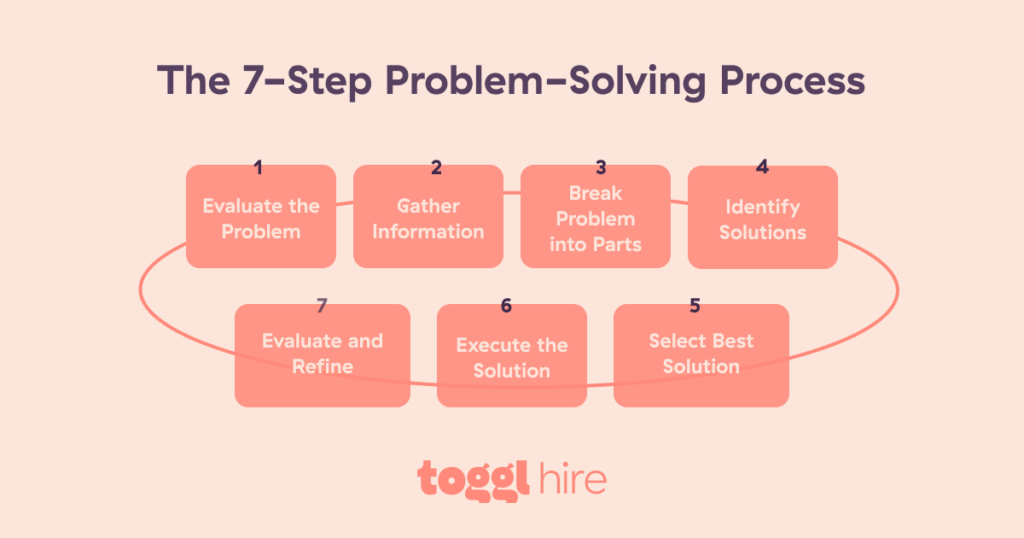
Deconstructing intricate problems requires a strategic mindset and a toolkit of techniques. One effective method is to divide and conquer—breaking down the problem into discrete components or stages, then solving each separately before reintegration. For example, if building an algorithm for a complex data analysis, first focus on data preprocessing, then pattern detection, then visualization, linking the parts seamlessly for the final output.
Another key strategy is to visualize the problem—using diagrams, flowcharts, or pseudocode. This not only clarifies the process but often reveals simplified paths or overlooked connections. When facing complex scenarios like system design or optimization, iterative refinement is crucial. Start with a high-level solution, test its limits, then gradually zoom into details, making incremental improvements. These strategies foster a systematic approach that transforms seemingly insurmountable problems into solvable puzzles.
Algorithmic Thinking – The Foundation of Solution Design
Algorithmic thinking is arguably the core pillar of problem solving skills in programming. It involves formulating step-by-step procedures to transform input into output efficiently and accurately. This mindset brings clarity and rigor to the design process, enabling programmers to anticipate potential issues and optimize performance upfront.
Developing algorithmic thinking requires practice in recognizing patterns, understanding data structures, and evaluating complexity. For example, discerning when to use recursion versus iteration or selecting the best sorting algorithm for a dataset are critical skills rooted in algorithmic reasoning. By honing this skill, programmers can craft elegant solutions that are not only functional but optimized—saving resources, reducing runtimes, and improving user experience.
Debugging and Iterative Refinement – Mastering the Solution Process
Even the most carefully crafted solutions need testing, debugging, and refinement. Debugging is an art—detecting and fixing errors requires patience, analytical thinking, and a systematic approach. Step by step, you must validate each component of your code, trace unexpected behaviors, and narrow down sources of bugs through logical deduction.
Equally important is iterative refinement. Problems rarely have perfect solutions on the first attempt. By continuously testing, profiling, and tweaking your code, you evolve your solution. Over time, this cycle of feedback and improvement enhances your problem-solving skills, turning trial-and-error into a structured process. Mastery in debugging and iteration turns problem solving into a dynamic skill, empowering you to adapt solutions swiftly and reliably to real-world challenges.
Developing Advanced Problem-Solving Skills for Programmers
Progressing to higher levels of problem-solving mastery involves cultivating creative thinking, abstraction, and strategic foresight. Advanced programmers often engage in designing generalized solutions or scalable architectures rather than simple fixes. This requires understanding broader contexts, anticipating future requirements, and integrating systems holistically.
Furthermore, participating in competitive programming, open-source projects, or complex coding challenges accelerates skill development. These environments push you beyond comfort zones, exposing you to diverse problem types, innovative approaches, and peer collaboration. Building such advanced problem solving skills in programming fosters a mindset of continuous learning, resilience, and adaptability—traits essential for tackling tomorrow’s technological frontiers.
Conclusion
Mastering problem solving skills in programming is a journey that involves understanding core principles, developing strategic decomposition abilities, honing algorithmic thinking, refining through debugging, and continuously challenging oneself with complex scenarios. These interconnected skills build a resilient framework that enables programmers to approach challenges systematically and creatively. As you progress, remember that every obstacle is an opportunity to sharpen your thinking, deepen your understanding, and unlock innovative solutions. Cultivating this mindset not only advances your technical proficiency but also transforms problem solving into an empowering, ongoing adventure in the world of programming.
🚀 Preparing for tech interviews?
Boost your skills with IT Interview Prep — practice real questions, track your progress, and get ready to ace your next interview!
👉 Download now on Google Play







-
Tagged flutter, mobile-dev, react-native