
What Should a Developer Portfolio Include – Crafting a Standout Presence in the Tech World
In today’s competitive tech industry, a developer portfolio is more than just a digital resume; it’s your personal brand and a testament to your skills, creativity, and dedication. Many ask, what should a developer portfolio include to truly make an impact and attract potential employers or clients. Well-curated, compelling, and thoughtfully designed portfolios unlock opportunities and set you apart in the crowded coding landscape.
Essential Elements of a Standout Developer Portfolio
A compelling developer portfolio begins with understanding the core elements that can distinguish you from your peers. Whether you are a front-end wizard, a backend maestro, or a full-stack developer, integrating certain essential components ensures your portfolio is comprehensive, professional, and engaging. At its core, your portfolio must effectively communicate your technical expertise, problem-solving abilities, and unique value proposition while also showcasing your personality and passion for development.
Additionally, a standout portfolio not only highlights your technical skills but also demonstrates your capacity to think critically and creatively. Including a variety of projects—ranging from personal experimentation to real-world applications—shows versatility and depth. Remember, employers often seek evidence of tangible impact, so include metrics or outcomes where possible. Ultimately, the key is striking a balance between technical detail and visual clarity to appeal to both technical and non-technical audiences.
Showcasing Your Skills: Projects That Impress
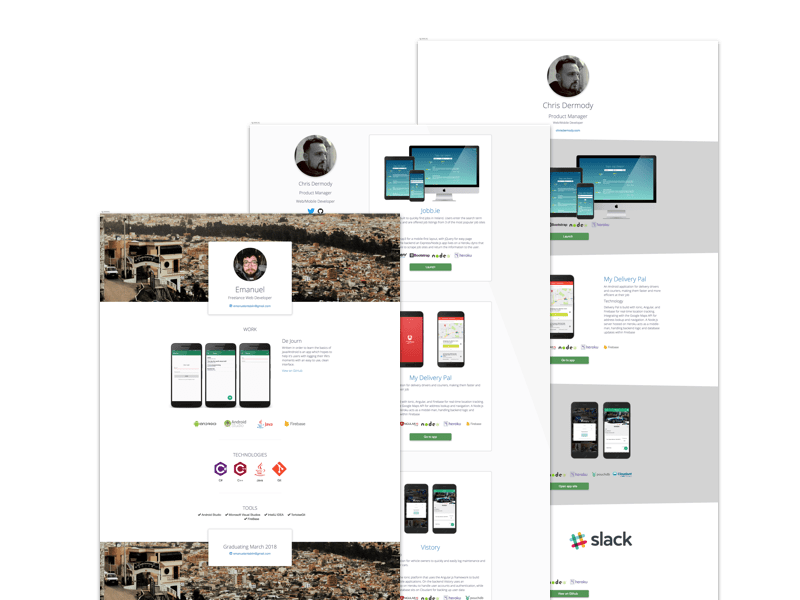
Projects serve as the tangible proof of your capabilities—they are the heart of any developer portfolio. Selecting which projects to feature is a strategic process. Focus on those that best represent your skill set, demonstrate complexity, or solve meaningful problems. Including a mix of personal projects, open-source contributions, or collaborative work can showcase diverse competencies, from coding proficiency to teamwork and project management.
In addition to listing projects, provide context about your role, the challenges faced, and the solutions implemented. Use visuals like screenshots, GIFs, or videos to illustrate functionality and user experience. This approach not only demonstrates your coding ability but also highlights your attention to design and usability. Remember, impressing viewers is about telling a compelling story—your projects should narrate your development journey, show growth, and illustrate your capacity to deliver high-quality solutions.
The Importance of a Well-Designed Portfolio Website

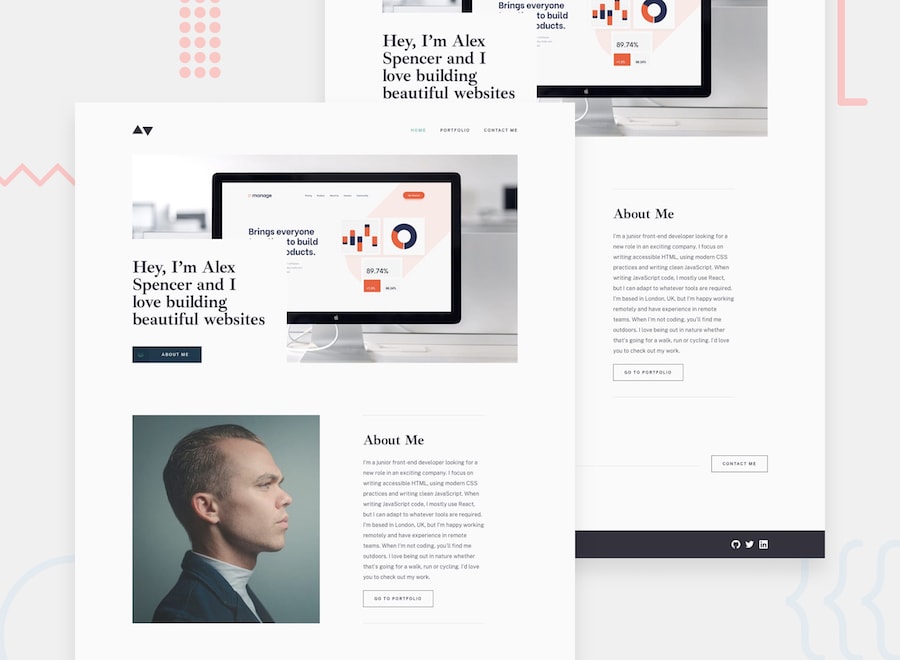
Your portfolio website functions as your digital storefront and is often the first impression recruiters or clients will have of you. A well-designed site reflects your attention to detail, aesthetic sense, and understanding of user experience. Clean layouts, intuitive navigation, and fast loading speeds are essential elements that show professionalism and respect for visitors’ time.
Designing your portfolio with a purpose—highlighting key sections, using visual hierarchies, and maintaining consistency— amplifies its effectiveness. Incorporating responsive design ensures your site looks great on all devices, further conveying your adaptability and modern approach. Remember, a thoughtfully crafted website doesn’t just display your work; it tells your story, demonstrates your technical skills, and provides a seamless experience that encourages exploration and engagement.
Highlighting Your Contributions and Accomplishments
Employers want to see evidence of your impact—how you’ve contributed to projects or teams, your problem-solving skills, and your drive for continuous learning. Detailing specific accomplishments enhances your credibility and sets you apart. This can include awards, certifications, successful project launches, or improvements you made to existing systems.
When highlighting contributions, quantify your impact where possible—mention performance improvements, user growth, or project milestones. Writing detailed case studies or success stories can give a deeper insight into your thinking process and methodology. Your goal is to clearly communicate your role in collaborative efforts and your ability to deliver results. Such transparency builds trust and demonstrates your professional growth, ultimately offering a clearer picture of what should a developer portfolio include to resonate with potential stakeholders.
Crafting a Compelling “About Me” Section
The “About Me” section is your personal narrative—a chance to humanize your portfolio and connect with viewers on a more personal level. Beyond listing technical skills, share your passion for development, your journey, and what motivates you. Tell stories about challenges you’ve overcome, lessons learned, and your aspirations. Authenticity and a touch of personality make this section memorable and relatable.
Balance professionalism with authenticity; avoid generic statements. Use this space to communicate your values, ethos, and what drives you to innovate. Including a professional portrait and personal interests also fosters a connection, turning viewers into followers or future collaborators. Ultimately, a captivating “About Me” invites viewers to see the person behind the code and understand the richness of your experience.
Optimizing Your Portfolio for Search Engines (SEO)
An often-overlooked aspect of creating a stellar developer portfolio is SEO. Optimizing your site ensures it reaches a wider audience, increasing your visibility to recruiters, potential clients, or collaborators. Use clear, descriptive titles and concise meta descriptions for each page. Incorporate relevant keywords naturally into your content—such as your skills, technologies, or project types—without overstuffing.
Additionally, improve your site’s loading speed, mobile-friendliness, and accessibility aspects. Use structured data to help search engines understand your content better. Sharing your portfolio on social media and adding backlinks from reputable sources can also improve search rankings. Remember, an optimized portfolio is not just about showcasing your skills but also making sure the right people find you amid the digital noise.
Conclusion
In conclusion, creating an outstanding developer portfolio requires a deliberate balance of technical showcase, compelling storytelling, professional design, and visibility strategies. It should include essential elements like well-chosen projects that demonstrate your skills, a thoughtfully designed website that offers an engaging user experience, a sincere “About Me” that reflects your personality and motivation, and optimized content capable of reaching wider audiences. By thoughtfully integrating these components, you craft a portfolio that not only highlights what should a developer portfolio include but also elevates your personal brand, unlocking new opportunities within the competitive world of software development.
🚀 Preparing for tech interviews?
Boost your skills with IT Interview Prep — practice real questions, track your progress, and get ready to ace your next interview!
👉 Download now on Google Play








-
Tagged flutter, mobile-dev, react-native